Rehab fit By Science
Who is this program for?
Moses Daniel (MD) has designed the dynamic Rehab Fit by Science program for people who have a joint injury or have undergone major joint surgeries such as a knee- or a hip-replacement surgery.
MD DANIEL (MD) UNIQUE TAILORMADE PROGRAMS GET REHAB FIT

INJURY REHABILITATION
The Rehab fit by Science program includes injury rehabilitation for people suffering from injury or athletes who may have over-trained. When unchecked, joint injury can lead to serious complications. This rehabilitation reduces the progression and enhances healing.
PRE-SURGERY REHABILITATION
Preparing the muscles and tissues for a Surgery helps the recovery faster. Rehabilitation or rehab exercises including pre-surgery training reduces the pain post surgery and helps to regain function and aids in the healing process quicker after the surgery.

POST-SURGERY REHABILITATION
Post surgery recovery is generally a slow process, however physical training/rehabilitation helps the muscles, bones and tissues to heal faster. This rehabilitation brings strength to the weak parts, which under went surgery and increases flexibility.
Moses Daniel Signature Rehab Fitness Programs
MD’s specially designed scientific programs concentrates on strengthening and mobility. The focus of this program is to help people gradually get back on their feet while recovering from their injury or surgery. MD’ program also includes specialized workout routines for strength and mobility rehabilitation.
STRENGTHENING REHABILITATION
Injuries can happen any time. They may occur during day-to-day activities, while training or exercising, or due to a fall. Rehabilitation or rehab exercises including strengthening reduces the pain from the injury and helps to regain function after the injury.
MOBILITY TRAINING & REHABILITATION
Today’s sedentary lifestyle has caused our muscles to go unused and weak. And that is why mobility training & rehabilitation has become important. If our muscles and joints are not strong, even basic squats and lunges become difficult to perform as we age.
INJURY REHABILITATION
The Rehab fit by Science program includes injury and surgery rehabilitation for people suffering from injury, patients who have undergone joint-replacement surgeries or athletes who may have over-trained. Today, many people also suffer from Osteoarthritis or Rheumatoid Arthritis, which causes a dull joint pain in the knees, hips, or spine. When unchecked, joint injury can lead to serious complications.
PRE-SURGERY REHABILITATION
The Rehab Fit by Science program includes pre-surgery rehab for knee-replacement surgeries, injury rehab for spine, and both injury and post-surgery rehab for shoulder. Now, each client’s limitations and injury is different. MD understands how an affected joint or muscle should work. He takes into account the level of pain or disability, muscle strength, and ROM before developing customized exercises.

Get in touch with MD for a free consultation
This tailormade customised programs include specialized workouts, exercises, and customized nutritional plans that target a specific medical condition and help clients manage the existing condition better or even beat it! Let’s see how exercise helps in managing medical conditions.
POST-SURGERY REHABILITATION
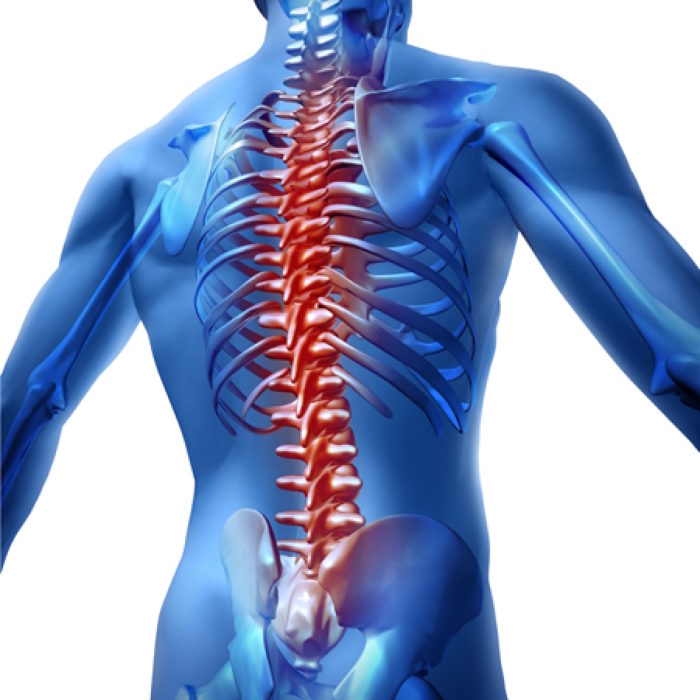
Lower back and core rehab focuses on strengthening the lower back muscles. Lower back and core exercises build muscle strength, improve balance and stability, decrease the risk of Osteoporosis, and reduce blood pressure. Lower back and core strengthening also helps in keeping the spine posture healthy. In addition, strengthening of the deeper back muscles, especially the Erector Spinae, Multifidus, and the Quadratus Lumborum provides support to the spine and the pelvis, eventually reducing lower back pain.
Another common problem that clients suffer from is shoulder pain. Although many muscles are involved in shoulder movement, the rotator cuff muscles are the most important muscles that needs to be strengthened. The four rotator cuff muscles (supraspinatus, infraspinatus, teres minor, and subscapularis) provide support and stability to the shoulder. Strengthening of the rotator cuff helps to center the ball of the upper arm. If not centered, there is additional pressure on the surrounding area, which might lead to an even bigger injury. Rotator cuff strengthening also reduces the risk of other injuries such as tendonitis and rotator cuff tears.
STRENGTHENING REHABILITATION
In some cases, strengthening rehabilitation even helps in avoiding surgery. In fact, strengthening rehabilitation is crucial to prevent further injuries.
MD’ strengthening rehab includes knee patellofemoral rehab, lower back and core rehab, and shoulder and rotator cuff rehab among other rehab routines. Patellofemoral pain is common knee problem wherein pain exists under and around the kneecap. The pain usually increases with activities such as climbing stairs, running, or squatting. Strengthening rehab for the knee increases patellofemoral joint contact and reduces pain intensity. With the help of proper equipment, strengthening rehab may also reduce hip adduction and relieve patellofemoral joint stress.
Get in touch with MD for a free consultation
This tailormade customised programs include specialized workouts, exercises, and customized nutritional plans that target a specific medical condition and help clients manage the existing condition better or even beat it! Let’s see how exercise helps in managing medical conditions.
MOBILITY REHABILITATION
Today’s sedentary lifestyle has caused our muscles to go unused and weak. And that is why mobility training/rehabilitation has become important. If our muscles and joints are not strong, even basic squats and lunges become difficult to perform as we age. And that is why we should make mobility training a part of our overall workout routine. So, what is mobility? It is the ability to move around freely without any stress on the body. Now if you have suffered an injury or a surgery, then mobility rehab is necessary so that you can get back to your usual routine without support.
Mobility rehab and training helps to maintain the overall range of motion (ROM) of your joints. It helps in maintaining the body posture and reduces everyday aches and pains. Consistent mobility training or rehab (post-surgery or in case of injury) also improves flexibility, activates muscles, and decreases the risk of injury. Mobility training also reduces joint pains and soreness.
MD’ mobility rehabilitation program includes a range of mobility exercises for the hip, knee, and leg. In addition, it includes workouts for the lumbar spine and sacroiliac joint (SIJ). It also includes shoulder and thoracic spine mobility.
The mobility rehab for hip, knee, and leg involves a range of comprehensive exercises to gradually improve the hip and knee mobility while recovering from an injury or surgery. These exercises also help in increasing the flexibility across all the major muscles such as claves, quads, hip flexors, and glutes.
Mobility rehab for the spine includes exercises for the lumbar spine and the sacroiliac joint (SIJ). Now this is important for people who suffer from the sacroiliac joint dysfunction. This dysfunction causes joint stiffness and soreness at the sacroiliac joints in the pelvis. The SIJ is a crucial joint that links the lower spine and pelvis. Doctors recommend rehab and therapy for this area once the pain of the sacroiliac joint dysfunction subsides. Therapy and mobility training then restores the pelvic alignment and SIJ range of motion. Targeted exercises help in repairing muscles and in restoring balance and gait. Therapy and mobility rehabilitation of the SIJ also helps in relapse of the sacroiliac joint dysfunction.
Mobility of the shoulder and thoracic spine is equally important. Contrary to popular belief, it is the thoracic spine, which is built for rotation and flexing rather than the lumbar spine. The lumbar spine stabilizes the body structure and carries the body weight. Mobility and rehab of the thoracic region including the shoulder is all the more important because unaddressed problems can lead to lower back problems. Thoracic spine exercises maintain the lower back stability in the long run. Mobility training/rehab increases the lung capacity and reduces any risk of injury in the shoulder blades.
Training Packages Explore more about each training